The unexpected diabetes remedy is hiding… just outside your window
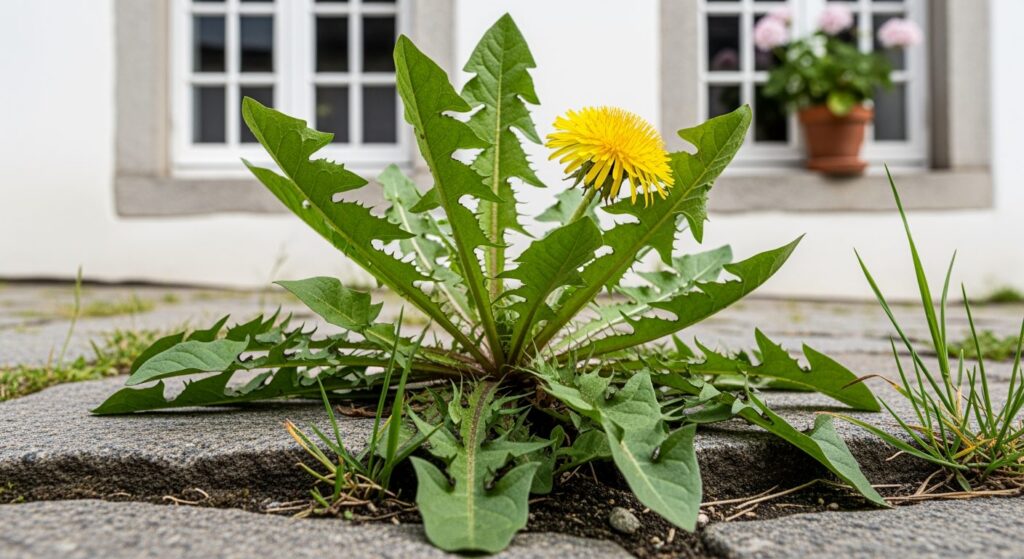
Natural diabetes treatment: Recent research has uncovered a surprising ally in the fight against diabetes, and it might be as close as your backyard or local park. Scientists have discovered that regular exposure to natural environments can significantly improve insulin sensitivity and help manage blood sugar levels in diabetic patients. This unexpected diabetes remedy doesn’t require expensive medications or complicated treatment plans—just stepping outside and spending time in green spaces could provide remarkable health benefits for the millions of people worldwide struggling with this chronic condition.”,
”
How Nature Exposure Impacts Natural Diabetes Treatment
Studies from several research institutions have found that spending just 30 minutes daily in natural settings can reduce blood glucose levels by up to 10% in some patients. The mechanism appears to be multifaceted, involving stress reduction, increased physical activity, and exposure to beneficial plant compounds called phytoncides. These natural chemicals, released by trees and plants, have been shown to improve metabolic function and enhance the body’s insulin response. Additionally, the natural circadian rhythm regulation that comes from outdoor light exposure helps optimize hormonal balance, which is crucial for proper glucose metabolism.
The Science Behind Natural Diabetes Treatment in Outdoor Environments
The connection between nature and diabetes management goes beyond simple relaxation effects. Research published in prestigious medical journals has documented how forest bathing—the Japanese practice of immersing oneself in nature—significantly improves HbA1c levels, a key marker for long-term blood sugar control. The combination of clean air, natural light, and the absence of urban stressors creates an ideal environment for the body to reset its metabolic processes. Even urban green spaces like parks and community gardens have shown measurable benefits for diabetes patients who visit them regularly.
Key Natural Diabetes Treatment Benefits Found in Outdoor Settings
Nature offers multiple pathways to better diabetes management, each contributing to overall metabolic health. The following table highlights the specific benefits that different natural environments provide for people managing diabetes:
| Natural Environment | Primary Benefit | Blood Sugar Impact | Recommended Exposure | Additional Health Benefits |
|---|---|---|---|---|
| Forests | Phytoncide exposure | 5-15% reduction | 2-3 hours weekly | Reduced inflammation, improved immunity |
| Parks | Moderate exercise opportunity | 3-8% reduction | 30 minutes daily | Improved cardiovascular health |
| Gardens | Stress reduction | 4-7% reduction | 1 hour 3x weekly | Lower cortisol levels, better sleep |
| Beaches/Waterfront | Negative ion exposure | 6-10% reduction | 2 hours weekly | Improved respiratory function |
| Mountain Trails | Altitude adaptation | 7-12% reduction | 4 hours monthly | Enhanced oxygen utilization |
Implementing Natural Diabetes Treatment in Your Daily Routine
Incorporating nature therapy into your diabetes management plan doesn’t require drastic lifestyle changes. Here are practical ways to harness the power of natural environments for better blood sugar control:
- Start your day with a 15-minute morning walk in a nearby park or green space
- Take work breaks outdoors, even if just sitting under a tree for 10 minutes
- Plan weekend activities around nature experiences like hiking or gardening
- Create a small natural space on your balcony or windowsill with plants
- Join community garden projects for regular nature exposure plus fresh produce
- Schedule “forest bathing” sessions once monthly for deeper therapeutic benefits
- Use lunch breaks to visit the closest green space to your workplace
The beauty of this natural approach to diabetes management lies in its accessibility and low cost. Unlike many medical interventions, spending time in nature is free and available to almost everyone. Healthcare providers are increasingly recognizing the value of “green prescriptions” alongside traditional treatments, especially for patients who struggle with medication adherence or those seeking complementary approaches to conventional diabetes care.
For optimal results, consistency matters more than duration. Research indicates that regular, shorter nature exposures provide more stable benefits than occasional lengthy outings. Even patients with mobility limitations can benefit from simply sitting near open windows with views of trees or spending time in accessible garden spaces. The key is making nature connection a habitual part of your diabetes management strategy rather than an occasional activity.
While nature therapy shouldn’t replace medical treatment for diabetes, it represents a powerful adjunctive approach that addresses multiple aspects of the condition simultaneously. From improving insulin sensitivity to reducing inflammation and stress hormones that exacerbate blood sugar fluctuations, the natural world offers a holistic remedy that works in harmony with the body’s own healing mechanisms.
As climate change and urbanization continue to transform our relationship with natural environments, the medical significance of nature access becomes increasingly important. Public health experts now advocate for preserving and creating green spaces not just for environmental reasons, but as critical health infrastructure—especially for communities with high diabetes prevalence.
FAQs
Q: How quickly can nature exposure improve blood sugar?
A: Within 1-2 weeks
Q: Is morning or evening nature exposure better?
A: Morning exposure
Q: Can indoor plants provide similar benefits?
A: Partially, but limited
Q: How does nature reduce diabetes complications?
A: Lowers inflammation markers
Q: Can children with diabetes benefit too?
A: Yes, significantly