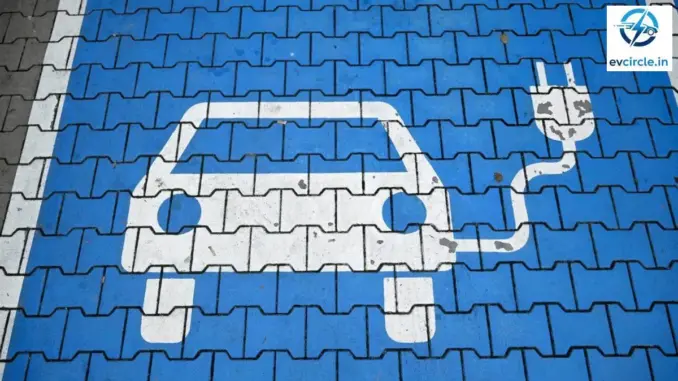
Are higher taxes on electric cars coming in the Budget? Ministers are weighing new levies while seeking ways to protect drivers. The goal is to balance Treasury revenue needs with the push to switch to electric vehicles.
Why taxes on electric cars are being considered
Why tax EVs at all? Fuel duty is a big revenue source for the Treasury. As drivers move away from petrol and diesel, that income will fall. Small levies or new systems aim to replace lost revenue without stopping the decarbonisation drive.
Pay‑per‑mile and weight levies
Could drivers pay per mile? A pay‑per‑mile system is one option under review. It would recover road-use revenue more fairly. Another idea links tax to vehicle weight. Heavier cars cause more road wear.
Concerns about higher EV taxes
Would new charges slow EV adoption? Officials worry taxes could deter buyers. Policymakers want a phased approach to avoid sudden shocks. They also want support measures to keep the switch attractive.
Options to soften the blow
What can soften any tax rise? Several measures are on the table. These aim to lower up‑front and running costs for EV drivers.
Bigger and longer‑lasting EV grants
Could grants get bigger than £3,750? The government may boost the electric vehicle grant and extend its duration. Bigger grants would cut the upfront price. This change helps buyers as much as running cost cuts.
Current grant levels
Did you know some drivers already get help? Right now, many models qualify for up to about £3,750 off. Other cars get smaller sums, near £1,500. Expanding the list and the amounts could sway more buyers.
How larger grants would help
How does a larger grant work in practice? It reduces the initial barrier to buy. Think of it like a deposit on a new phone that makes an upgrade easier. Lower entry costs help uptake.
Cheaper public charging and VAT equalisation
Why do public chargers cost more? Home charging attracts a reduced VAT rate. Public chargers face standard VAT. Officials are considering cutting public VAT or equalising rates. That would lower per‑charge bills for drivers without driveways.
Business rates and the charging sector
Could business rates be scrapped for chargers? The Treasury has looked at altering business rates for public charging points. Some industry voices warn of unintended consequences. They say changes could raise costs for operators and reduce investment. Estimates suggest this could add as much as around 10 per cent to public charging costs in some cases.
Grid charges, standing fees and Ofgem
Can electricity network costs fall? Regulators may face pressure to cut standing and capacity charges. In some regions, charging costs have quadrupled. Lower grid charges would make public charging cheaper and predictable.
Phased implementation and targeted support
How would the government introduce new taxes? A phased rollout is likely. New levies would pair with support packages. This aims to keep manufacturing and buyer confidence intact.
Real‑world impacts
What does this mean for drivers today? About 1.3 million people now own an electric car. EV owners already pay a lower vehicle excise duty than petrol drivers. For example, many EVs now attract around £195 VED, versus roughly £480 for average petrol cars. Changes could narrow that gap, but support measures aim to soften the effect.
For infrastructure and industry
What about chargers and investment? Faster EV uptake needs more public chargers before 2030. Any policy must avoid chilling investment. Balancing relief for drivers with stable returns for operators is essential.
See also: Silver Tech Extends EV Battery Life to 1,300 Cycles
Conclusion
Who pays, and how much, is being debated. The Treasury may add new taxes, like pay‑per‑mile or weight levies. At the same time, ministers are weighing bigger EV grants, lower public charging VAT, and cuts to grid or standing charges. The aim is clear. Phase in changes and pair taxes with support so EV adoption keeps rising. Will policymakers strike the right balance? Only time will tell.

Leave a Reply