Scientists observe a massive underground heat buildup with unclear long-term effects
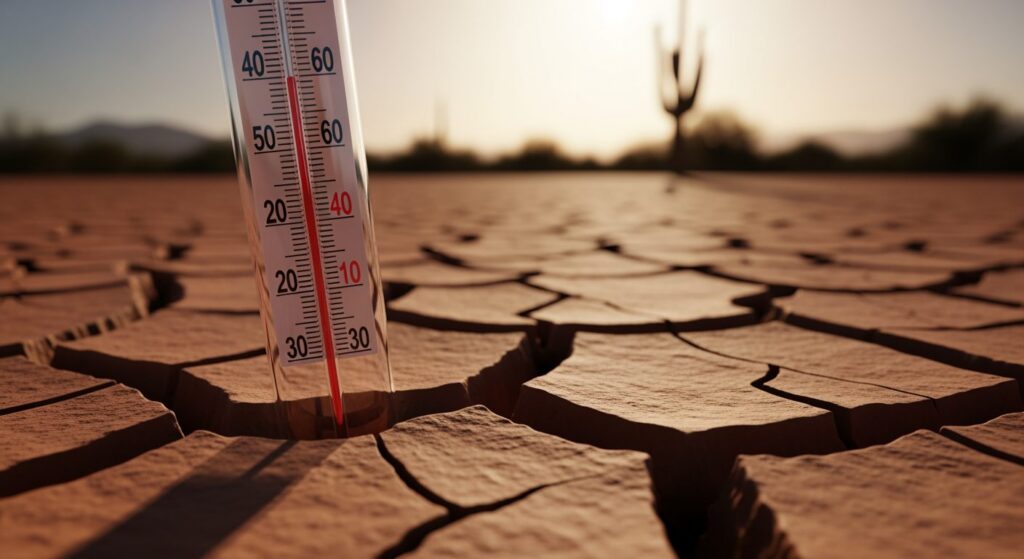
Underground heat buildup: Scientists have recently made a startling discovery beneath the Earth’s surface that has the scientific community buzzing with concern and curiosity. A massive buildup of heat has been detected underground, with researchers still working to understand its origins and potential consequences. The phenomenon, which spans a significant area beneath the surface, has been monitored using advanced thermal imaging and deep-earth sensing technologies. While experts emphasize there’s no immediate cause for alarm, they acknowledge the unclear long-term effects this thermal anomaly might have on geological stability, groundwater systems, and potentially even surface temperatures in affected regions.
What’s causing the underground heat buildup and how scientists detected it
The detection of this underground heat buildup came through a coordinated international research effort utilizing cutting-edge geothermal monitoring systems. Scientists deployed an array of deep-earth temperature sensors, seismic monitoring equipment, and satellite-based thermal imaging to map the extent of the phenomenon. Initial data suggests the heat anomaly may be related to shifts in deep mantle convection patterns, though some researchers point to potential interactions with underground water reservoirs or previously undetected volcanic activity. The heat signature appears to be intensifying gradually rather than fluctuating, which has prompted the establishment of continuous monitoring stations in several key locations to track its progression.
Potential impacts of the underground heat buildup on geological systems
The massive underground heat buildup could trigger several cascading effects throughout Earth’s geological systems. Thermal expansion of rock formations might lead to subtle but measurable surface deformation, potentially affecting infrastructure in certain regions. Scientists are particularly concerned about how this heat might interact with underground aquifers and groundwater systems, potentially altering water chemistry or creating new hydrothermal features. The table below outlines the various potential impacts being studied by research teams worldwide.
| Potential Impact | Likelihood | Timeframe | Affected Systems | Monitoring Priority |
|---|---|---|---|---|
| Groundwater temperature changes | High | 1-5 years | Aquifers, springs | Critical |
| Subtle ground deformation | Moderate | 5-10 years | Surface structures, pipelines | High |
| Localized seismic activity | Low-Moderate | 2-8 years | Fault zones | High |
| Mineral composition changes | Moderate | 10+ years | Rock formations, soil | Medium |
| New hydrothermal features | Low | 5-15 years | Surface expressions | Medium |
Scientific challenges in predicting long-term effects of underground heat buildup
Researchers face significant challenges when attempting to model the long-term implications of this underground heat buildup. The complex interplay between heat transfer, geological structures, and hydrological systems creates a multi-variable problem that stretches the capabilities of current predictive models. Scientists are particularly hampered by limited historical data on similar phenomena, making it difficult to establish reliable baselines or precedents. Additionally, the depth at which this heat anomaly is occurring makes direct observation extremely difficult, forcing researchers to rely heavily on indirect measurements and computer simulations that contain inherent uncertainties when projecting outcomes over decades.
How the underground heat buildup might affect different regions and what experts recommend
The effects of the underground heat buildup will likely vary significantly by region, depending on local geological conditions, proximity to fault lines, and existing groundwater systems. Areas with thin crustal layers or pre-existing geothermal activity may experience more pronounced effects sooner than regions with thick, stable continental plates. Scientists have outlined several precautionary measures and monitoring recommendations for potentially affected areas. These recommendations balance scientific caution with practical considerations, acknowledging the significant uncertainty surrounding long-term outcomes.
- Establish comprehensive baseline measurements of ground temperatures and subsurface conditions
- Implement enhanced monitoring of groundwater temperature and chemistry in vulnerable aquifers
- Develop early warning systems for potential hydrothermal or seismic changes
- Create regional contingency plans for infrastructure protection if ground deformation occurs
- Fund additional research into heat dissipation patterns and geological responses
- Coordinate international data sharing to improve predictive models
- Educate local authorities about potential signs of geological changes
The scientific community emphasizes that while this underground heat buildup represents a significant geological phenomenon worthy of careful study and monitoring, it should not be cause for public panic. The Earth’s systems have tremendous capacity to absorb and redistribute thermal energy over time. However, the unprecedented nature of this particular heat anomaly means that continued vigilance and research investment are essential to better understand its evolution and potential consequences. International collaboration has already begun to establish standardized monitoring protocols and data-sharing mechanisms to ensure that any significant changes can be detected early and addressed appropriately.
As research continues, scientists expect to refine their understanding of both the causes and potential effects of this underground heat buildup. Several major universities and geological survey organizations have launched dedicated research initiatives, with preliminary findings expected to be published in the coming months. These studies will help clarify whether this phenomenon represents a new normal in Earth’s thermal behavior or if it’s a temporary anomaly that will eventually dissipate without significant surface impacts. Either way, the discovery has already prompted valuable advances in deep-earth monitoring technologies and cross-disciplinary collaboration among geologists, hydrologists, and climate scientists.
FAQs
Q: What caused the underground heat buildup?
A: Cause remains unconfirmed
Q: Is this heat buildup dangerous?
A: Not immediately threatening
Q: Could this trigger volcanoes or earthquakes?
A: Possible but unlikely
Q: How deep is the heat anomaly?
A: Several kilometers deep
Q: When will scientists know more?
A: Within coming months